
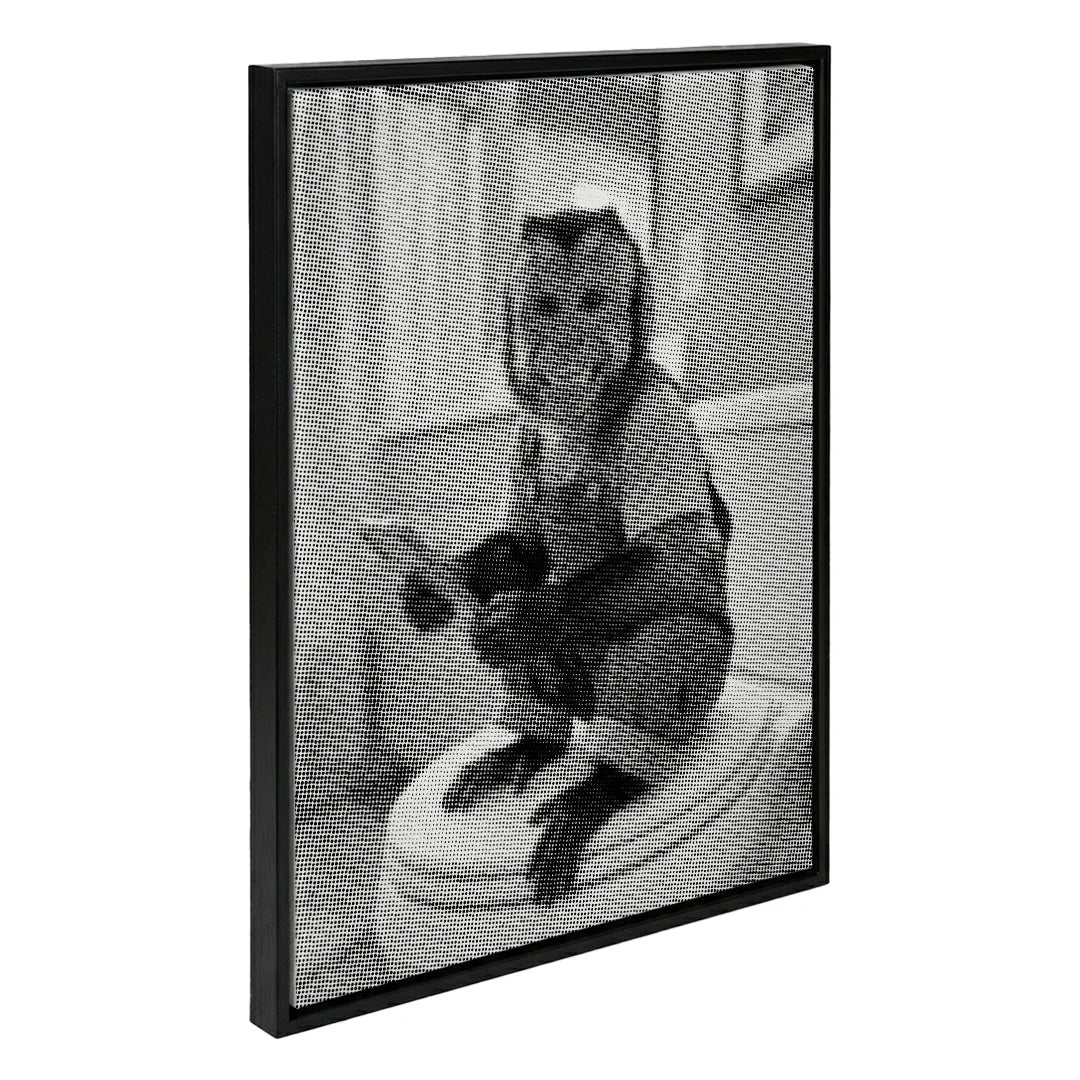
First of all: congratulations! You have placed the final dot, stepped back, and your masterpiece is complete. It feels great, doesn't it? Now comes the best part: getting it off your desk and onto your wall where it belongs.
The huge advantage of dot painting with markers is that it is incredibly low maintenance compared to traditional painting. You don't need to mess around with sticky varnishes or liquid sealants. Your goal now is simple: prepare the canvas so it is perfectly flat, choose a frame that fits your style, and keep it safe for years to come.
Step 1: Preparation (The "Clean & Flat" Phase)
Before you rush out to buy a frame, you need to make sure your canvas is ready. A little bit of prep work now makes the difference between a homemade craft and a professional-looking piece of art.
Let It Cure
Even though marker ink dries very quickly to the touch, we always recommend letting your finished piece sit flat for about 24 hours before framing. This ensures the ink is fully cured and settled into the canvas fibers. Patience here prevents any potential risk of the ink sticking to the glass later on.
How to Flatten Your Canvas
Since your kit likely arrived rolled in a tube, the canvas might still have a slight curl. The safest, hands-off way to fix this is to place it face-down on a clean surface and stack some heavy books on the corners for a day or two. Gravity will do the work for you.
Need it flat right now? You can use an iron, but you must be careful. Always iron on the back side (the unprinted side) of the canvas only. Use a low-to-medium heat setting and keep the iron moving. Never iron directly over the dots on the front, as the heat can damage the ink or the texture of the canvas.
The Final Dust Check
Once your canvas is flat, take a close look at it under bright light. If there are any stray eraser marks, specks of dust, or pet hairs, now is the time to gently remove them. A soft, dry microfiber cloth is perfect for giving it a final wipe-down. Remember, once it is behind glass, any trapped dust is there to stay, so this quick check is worth the effort.
Step 2: The Best Option – Standard Photo Frames
Since we are skipping the messy process of sealing or varnishing, the frame itself becomes the shield for your artwork. This is why we recommend a standard photo frame with a glass (or clear acrylic) front as the number one choice for dot paintings.
Why Glass is King
When you frame your piece behind glass, you are instantly protecting it from its three biggest enemies: dust, humidity, and accidental touches. The glass acts as a permanent barrier, keeping your dots crisp and vibrant without you ever needing to spray chemicals on your canvas. It is the safest, cleanest, and fastest way to finish your project.
Finding the Right Size
You don’t need to spend a fortune at a custom frame shop. Most of our dot painting kits are designed to fit standard frame sizes (like 30x40cm, 40x50cm, or A3) that you can find easily at stores like IKEA, Amazon, or Target. Simply check the size of your canvas design, buy a matching frame, and pop it in.
Pro Tip: The Power of a Mat Board
Want to make your artwork look like it belongs in a gallery? Use a frame with a "mat board" (also known as a passe-partout). This is the white cardboard border that sits between the glass and your picture. It gives the artwork "breathing room" and draws the eye to the center. If you choose this look, remember to buy a frame that is one size larger than your canvas to accommodate the border.
Step 3: Alternative Option – Magnetic Hangers
If you prefer a more modern, minimalist vibe, you might consider magnetic wooden poster hangers. These are simple wooden strips that clamp onto the top and bottom of your canvas using strong magnets.
The Look vs. The Trade-off
Visually, these are stunning. They are lightweight, trendy, and give the artwork a natural, textile feel. However, there is a trade-off: zero protection.
Because there is no glass, your dots are exposed to the open air. This means dust will eventually settle on the texture of the dots, and the ink is vulnerable to humidity or curious fingers. We recommend this style only for adult spaces (safe from sticky hands!) or for artwork that you might want to swap out frequently. If you want the piece to last for decades, stick to glass.
Step 4: DIY Stretching (The Gallery Look)
This method involves wrapping the canvas tightly around a wooden frame (stretcher bars), giving it that classic "painter's canvas" look without visible glass. It creates a beautiful, textured 3D effect on the wall. Especially if you have created a Custom Photo Dot Painting of a special memory, this gallery-style finish can look stunning.
The Catch: This method requires your canvas to have extra wide white borders to wrap around the wood. Check your canvas before buying bars!
Warning: Stretching a canvas smoothly without warping the image is surprisingly difficult to do yourself. If you have never done it before, it can be frustrating. For most beginners, we recommend sticking to a standard photo frame for the easiest success.
Preservation Rules: Keep It Fresh Forever
Once your art is on the wall, you want it to last. Because marker ink behaves differently than oil paint, follow these three simple rules to keep your colors vibrant.
1. The Sun Rule
Direct sunlight is the enemy of ink. Over years, strong UV rays can bleach colors and make blacks turn grey. Never hang your dot painting on a wall that gets hit by a direct beam of burning afternoon sun. A shaded wall or indirect light is perfect.
2. The Humidity Rule
Canvas and paper are natural materials that breathe. Avoid hanging your artwork in a small, steamy bathroom. The constant cycle of steam and drying can cause the canvas to warp or ripple inside the frame over time.
3. How to Clean It
If you framed it behind glass: easy! Just wipe the glass with standard glass cleaner.
If you chose magnetic hangers (exposed canvas): never use water or wet cloths on the dots. If it gets dusty, simply brush it lightly with a dry, soft microfiber duster.
FAQ: Finishing Touches
Can I cut the white borders off?
Yes. If you are using a standard photo frame, you will often need to trim the white edges of the canvas to make it fit perfectly inside. Use sharp scissors or a craft knife for a clean cut.
Can I iron the front of the canvas?
No! Never apply heat directly to the dots. It can damage the ink and the texture. Always iron on the back side (unprinted side) with the canvas face-down on a towel.
Do I need a custom frame?
Rarely. We design our kits to match standard international frame sizes. You can usually find a perfect fit at local home stores or online without paying for expensive custom framing.